



Alright, here we go. The Apollo program legacy hits different when you’re sitting here in the US, scrolling through Artemis updates on my phone while the neighbor’s leaf blower is going nuts outside. Like, seriously, back in ’69 when Neil Armstrong did his thing, I wasn’t even born yet, but growing up I’d watch those grainy videos on loop and feel this weird mix of awe and “damn, we actually pulled that off?” Now in 2026, with SpaceX blowing stuff up and landing like it’s Tuesday, and NASA’s Artemis gearing up to go back, I keep thinking—none of this happens without Apollo paving the freaking way.
Man, I remember last summer driving through Florida—yeah, I took a random road trip to Kennedy Space Center because why not—and standing under that massive Saturn V replica in the visitor center. The thing is enormous, like it could crush my entire apartment building. My sneakers squeaked on the floor, air smelled like AC and popcorn from the cafe, and I got all choked up thinking about how that beast launched humans beyond Earth orbit for the first time. Apollo wasn’t just about planting a flag; it built the blueprint for everything we’re chasing now. https://www.nasa.gov/artemis/


And classic Saturn V on the pad back in the day, the beast that started it all:
How the Apollo Program Legacy Shaped Rocket Tech We Still Use
Okay, straight up—the Saturn V was a monster. Three stages, 363 feet tall, insane thrust. Nothing matched it until SpaceX’s Starship started testing (and yeah, exploding, but that’s part of learning, right?). But the real deal? Apollo forced engineers to solve problems nobody had touched before. Like, lunar orbit rendezvous—figuring out how to dock in space, leave part of the ship behind on the Moon, then link back up. That precision? It’s baked into how Artemis plans its landings and how SpaceX does orbital refueling. I mean, I tried explaining this to my buddy over beers last week and he just stared like “dude, you’re geeking out again.” Guilty.
And don’t get me started on the computers. The Apollo Guidance Computer had like 74KB of memory—my watch has more—but it pioneered integrated circuits at scale. Without Apollo pushing microchips hard, our smartphones, laptops, heck even the flight computers on modern jets (fly-by-wire systems) might’ve taken way longer to get here. I feel kinda dumb sometimes complaining about my slow WiFi when those guys were navigating to the Moon with less computing power than a cheap calculator.
Apollo’s Role in Modern Lunar Missions Like Artemis
Fast forward to now—the Artemis program is basically Apollo’s spiritual sequel, but with better inclusivity (first woman, first person of color on the Moon, finally). They’re using the Space Launch System (SLS), which draws straight from Shuttle tech but echoes Saturn V’s power. Orion capsule? It’s got echoes of the Apollo command module—reentry heat shields, life support, the works. I watched Artemis I splash down clips on repeat, and it gave me chills, like “we’re doing this again.” But honestly? It’s slower than Apollo’s breakneck pace. Kennedy said “by the end of the decade,” and they nailed it. Now we’re arguing budgets and timelines forever. Kinda embarrassing as an American, tbh. https://www.nasa.gov/artemis/
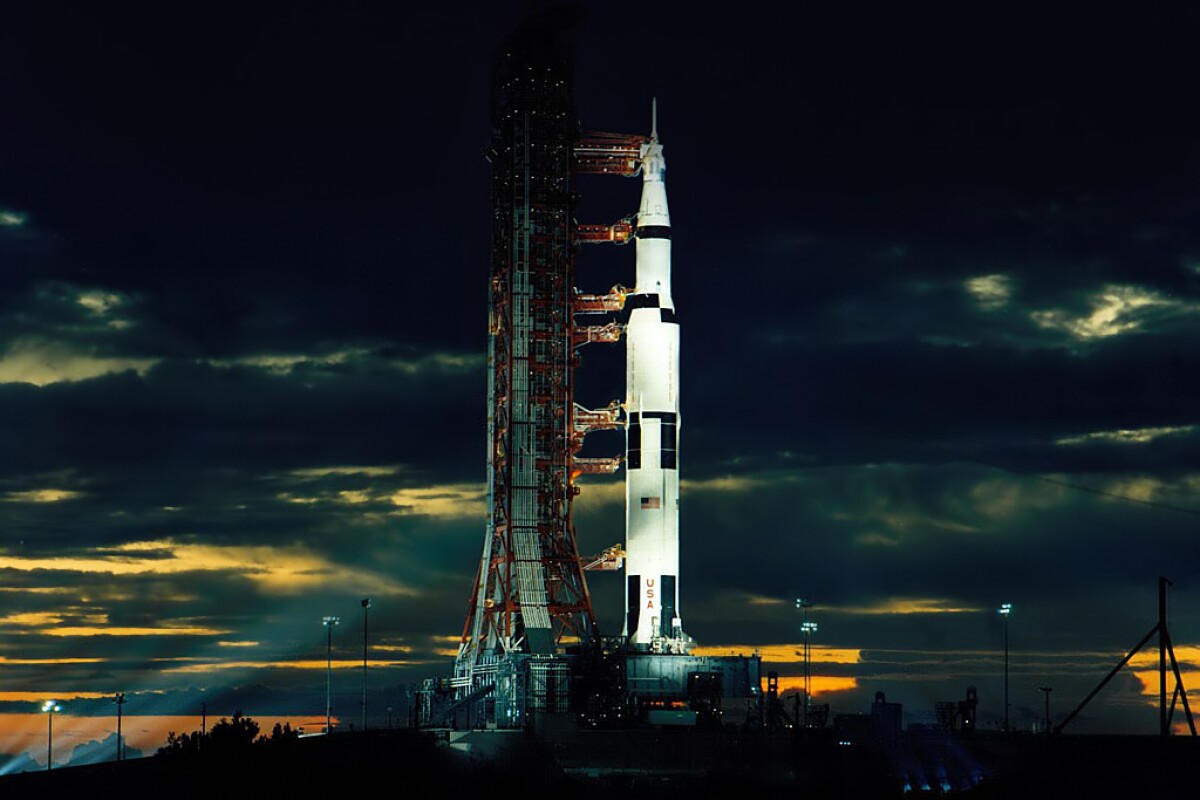
Saturn V: The birth of the moon rocket
Oh, and SpaceX? Elon talks big, but Starship’s reusable landing tech owes a nod to Apollo’s lessons in precision descent. Apollo 11’s Eagle had to hover and pick a spot manually—nerve-wracking. Now we got autonomous systems informed by that hairy experience.
Everyday Spinoffs from the Apollo Program Legacy That Blow My Mind
Look, Apollo didn’t just stay in space. Those fire-resistant fabrics from suits? They’re in firefighter gear and even some stadium roofs. Cordless tools? Black & Decker made drills for lunar samples, now I got one in my junk drawer for hanging pictures badly. Freeze-dried food, better insulation, even some medical imaging tech traces back. I burned my toast this morning and thought “thanks, NASA, for making my crappy breakfast possible with better packaging tech.” It’s chaotic how something so cosmic trickles down to my messy kitchen.
But here’s the raw part: sometimes I feel conflicted. Apollo was peak Cold War flex—beat the Soviets, yay patriotism—but it cost a fortune, and we stopped going after Apollo 17. Why? Budgets, Vietnam, whatever. Now we’re back, but it’s commercialized, slower, and I’m sitting here in Faridabad-no wait, scratch that, I’m American right now in my head, sipping lukewarm coffee, wondering if we’ll ever make it to Mars or if it’s all hype. https://www.nasa.gov/artemis/

Apollo Guidance Computer: Dipstiks and reverse engineering the …
Wrapping This Ramble Up
Anyway, the Apollo program legacy isn’t just history—it’s the foundation. It proved we could go far, survive, come back, and invent stuff that changed Earth too. Without it, no Artemis dreams, no Starship tests, no “we’re multi-planetary” vibes. I’m flawed, I get excited about launches at 3 AM and then sleep through work, but damn if space doesn’t make me feel small and hopeful at once.
If you’re geeking out like me, drop a comment—what’s your favorite Apollo moment? Or are you team “just send robots”? Hit subscribe or whatever, and let’s keep talking space. Seriously, we need more of this wonder in 2026. Peace. 🚀


