



Alright… here we go. Apollo Program Legacy
Man, what we owe the Apollo Program in the 21st century hits different when you’re sitting in your sweatpants in January 2026 scrolling X and seeing another Starship static-fire test blowing up the timeline. Like… we really did that moon thing with slide rules and computers weaker than my microwave, and now I’m over here complaining my Wi-Fi dropped for six seconds.
I keep thinking about this because last week I dragged my sorry ass to the Smithsonian Air & Space Museum (yeah the one in DC) for the first time since I was twelve. Stood in front of the actual Apollo 11 command module Columbia and—embarrassingly—got choked up. Not even the dramatic music, just the fact that regular-ass humans (with 1960s tech and an unbelievable amount of caffeine and cigarettes) flew that tin can to the Moon and back. And I’m sitting here mad because DoorDash took 42 minutes instead of 35. Perspective is a hell of a drug.
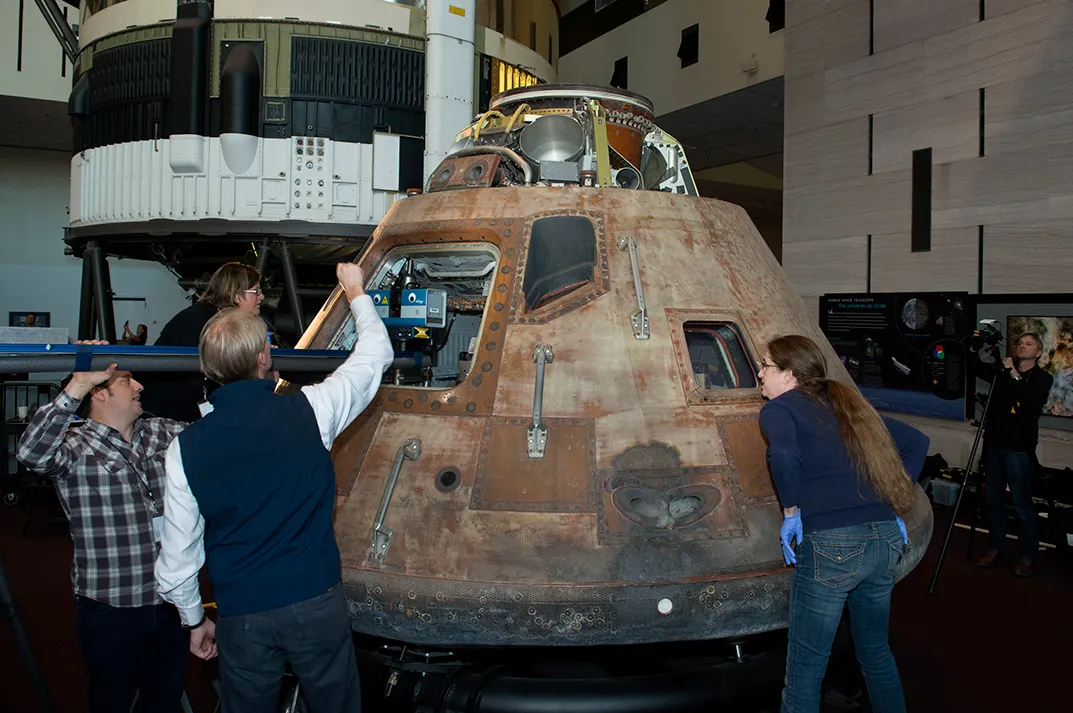
In Another Giant Leap, Apollo 11 Command Module Is 3-D Digitized …
Why What We Owe Apollo Still Feels So Damn Personal in 2026 Apollo Program Legacy
Look, I’m not gonna pretend I’m some aerospace engineer. I sell SaaS for a living and my greatest engineering achievement is probably getting my 2018 Keurig to stop screaming every morning. But every time I watch a NASA Apollo recap video at 2 a.m. (usually after doom-scrolling about AI taking my job), I feel this weird mix of gratitude and guilt.
Gratitude because literally everything cool about modern life has Apollo fingerprints all over it:
- The freeze-dried food in my emergency go-bag? Apollo tech.
- My phone’s insanely good camera sensors? Descendants of the tech developed to take pictures of the lunar surface.
- Even the damn memory foam in my overpriced mattress came from NASA trying to make crash-proof seats for astronauts.
(Quick side note: I once tried explaining memory foam’s Apollo origin to my Tinder date in 2023. She looked at me like I just confessed to collecting vintage Beanie Babies. Relationship ended approximately seven minutes later. Worth it.)
But the guilt? That’s because we kinda… stopped. Not completely, obviously—Artemis is happening, SpaceX is yeeting Starships into the sky like it’s a Tuesday—but the sheer audacity of “we’re gonna land on the Moon before the decade is out” feels so far away from the way we do big things now. Everything’s incremental. Everything’s “MVP.” Apollo was maximum viable product… or die trying.

How NASA Restored Its Historic Apollo Mission Control Center …
The Embarrassing Way Apollo Keeps Kicking My Ass Mentally Apollo Program Legacy
Three weeks ago I had what I’m calling a low-grade Apollo-related existential crisis in the middle of a Target run.
I’m standing in the electronics aisle staring at a $79 soundbar and suddenly I remember reading that the entire Apollo Guidance Computer had something like 74 kilobytes of memory. 74 KB. My soundbar probably has more RAM than that just to play Dolby Atmos commercials.
And instead of feeling inspired I felt… small. Like what the hell am I doing with my life when people used less compute power than my smart toaster to navigate 240,000 miles through vacuum and still managed to not die. Apollo Program Legacy
So yeah. That’s the chaotic duality of what we owe the Apollo Program in the 21st century: it makes you proud to be human AND simultaneously makes you want to throw your phone in the trash and go live in the woods.
Okay But Seriously—What Should We Actually Do About It? Apollo Program Legacy
If I had to boil down my messy, sleep-deprived thoughts into actual actionable stuff:
- Stop treating “moonshot” like a buzzword PowerPoint slide and start treating it like a literal thing we already did once
- Fundamentally believe that normal people can still do insane things when the goal is clear and the stakes are real (looking at you, Congress)
- Teach kids the unglamorous parts too—not just “one small step,” but also the part where guys were sleeping under desks and marriages were imploding and people still showed up every day
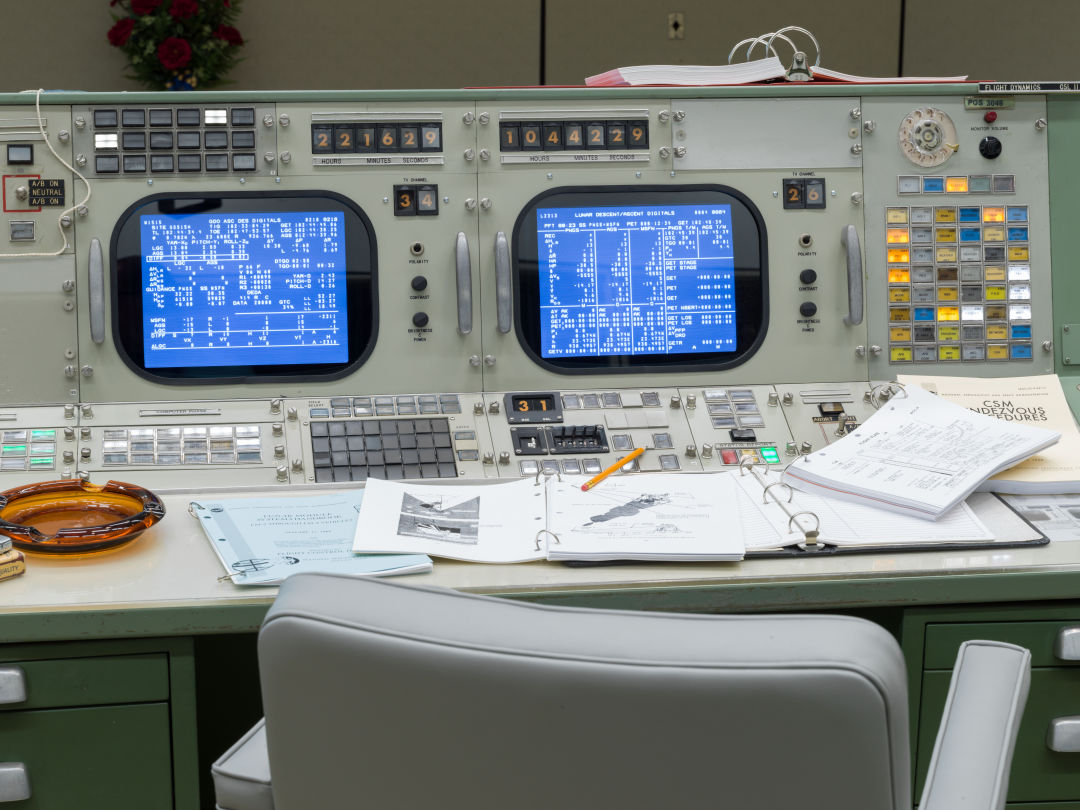
How NASA Restored Its Historic Apollo Mission Control Center …
I don’t have kids yet (working on it, universe, chill), but when I do I’m 100% making them watch the restored Apollo 11 launch footage on the big TV every July 16th until they roll their eyes so hard they see stars. That’s my tiny contribution to paying the debt.
Anyway. I’m rambling now. Apollo Program Legacy
Point is: we owe the Apollo Program more than museum exhibits and nostalgic think-pieces. We owe it the willingness to be uncomfortable, to aim stupidly high again, to maybe—even in our messy, distracted, algorithm-addicted 2026 lives—believe that humans can still do the impossible when we decide it matters. Apollo Program Legacy
So yeah. That’s my take. Apollo Program Legacy
What about you—does Apollo still hit you in the feelings or am I just a sentimental weirdo crying over 60-year-old rocket footage in my living room?
Drop a comment. Or don’t. Either way I’m probably gonna watch another launch video tonight. Apollo Program Legacy