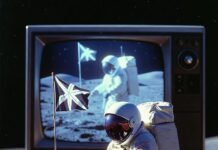


So yeah, the Apollo missions. They started because Kennedy basically dared the country in 1961 to land on the moon before the decade was out. Wild, right? We were in a full-on space race with the Soviets, and it felt like the whole world was watching. I remember being maybe eight or nine, sitting cross-legged on the carpet in front of our ancient TV, the one with the wood paneling, eating burnt popcorn while my dad tried to explain why this grainy black-and-white footage mattered so much.
Why the Apollo Missions Felt So Huge Back Then
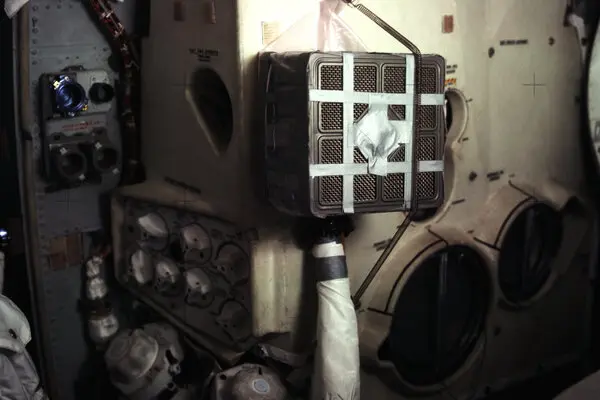
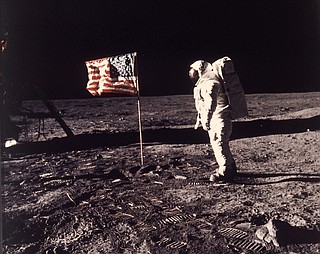
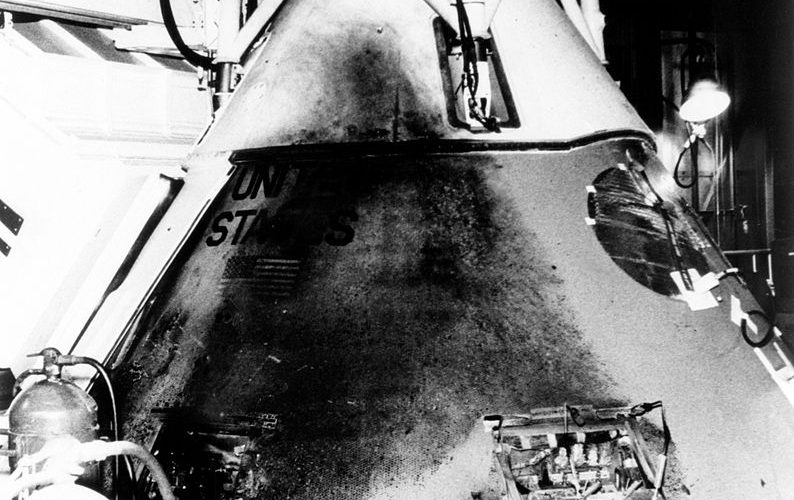
The Apollo program ran from 1961 to 1972. Twelve men walked on the moon. Twelve. Apollo 11 in ’69 was the big one—Armstrong, Aldrin, that famous “one small step” line. But it wasn’t all heroic montages. Apollo 1 caught fire on the launch pad in 1967 and killed three astronauts. I still get a lump in my throat thinking about it. They weren’t even flying yet—just sitting there doing a test. That accident forced NASA to completely rethink safety, materials, everything. Then Apollo 13—oxygen tank blows up, crew almost dies, but they MacGyver their way home with duct tape and cardboard basically. That one always gets me. It’s proof we can screw up royally and still pull it off if we’re stubborn enough.
What Science Actually Came Out of It
The Apollo missions hauled back about 842 pounds of moon rocks. Scientists are still slicing them up with fancy new tools today. We learned the moon is geologically dead—no active volcanoes, no plate tectonics, just a time capsule of the early solar system. The rocks confirmed the giant impact theory: some Mars-sized thing smashed into early Earth and the debris became the moon. We also left seismometers that picked up moonquakes (moon-quakes, ha) and experiments that measured solar wind.
I once spent way too much money on a tiny certified moon-dust sample from a collectibles site. Opened the little vial, stared at the gray specks under my desk lamp, and felt kind of silly. Like, this is it? This is what they risked everything for? But then I thought about how that dust has been sitting there unchanged for billions of years, and yeah… it hit different.
Tech We Still Use (Even If We Forget Where It Came From)
The space race pushed tech forward in ways we take for granted now.
- Integrated circuits → basically the reason my phone exists
- Cordless power tools → Black & Decker made lunar drills, then turned them into Dustbusters and screwdrivers
- Fire-resistant fabrics → came after Apollo 1
- Freeze-dried food → so astronauts didn’t have to eat toothpaste tubes forever
- Even better insulation blankets in emergencies trace back to NASA research
The Apollo 1 Fire –
I’m typing this on a laptop that wouldn’t exist without the Apollo missions pushing microchip development. Kinda embarrassing how I complain about my Wi-Fi when I’m literally using tech born from sending humans 240,000 miles away.
For more nerdy details, NASA’s spinoff database is pretty cool: NASA Spinoff. They also have a nice retrospective on Apollo here: NASA Apollo 50th Anniversary.
My Honest, Flawed American Perspective
Here’s the thing: I’m just some guy in 2026, staring at a screen, thinking about how we went to the moon and then… kinda stopped. Apollo 17 was the last one in 1972. We haven’t been back since. Politics, money, priorities shifted. Part of me feels proud we did it, part of me feels like we peaked early and have been coasting. It’s bittersweet. Cautiously optimistic about Artemis trying again, but also wryly amused that we can land on the moon but still argue about who gets the armrest on a plane.


The Apollo missions taught me (or at least I think they did) that humans can do absurdly hard things when we decide to. We can fail spectacularly, learn, adapt, and try again. Even if it’s expensive, even if it’s messy, even if we don’t always follow through.
I’ve made plenty of mistakes in my own life—quit jobs I shouldn’t have, said dumb things, wasted time—but watching those old clips reminds me it’s okay to aim big and stumble. You just keep going.
So anyway, that’s my chaotic love letter to the Apollo missions and the 60s and 70s space race. If you made it this far through my rambling, thanks. What’s your favorite Apollo memory? Or do you think we’ll ever go back for real? Drop a comment—I’d love to hear it. Maybe we can inspire each other to be a little braver, even if it’s just about finally cleaning the kitchen or whatever.
Catch you later. 🚀